Pterygium: Symptoms, Causes, Diagnosis, and Treatment
What Is a Pterygium?
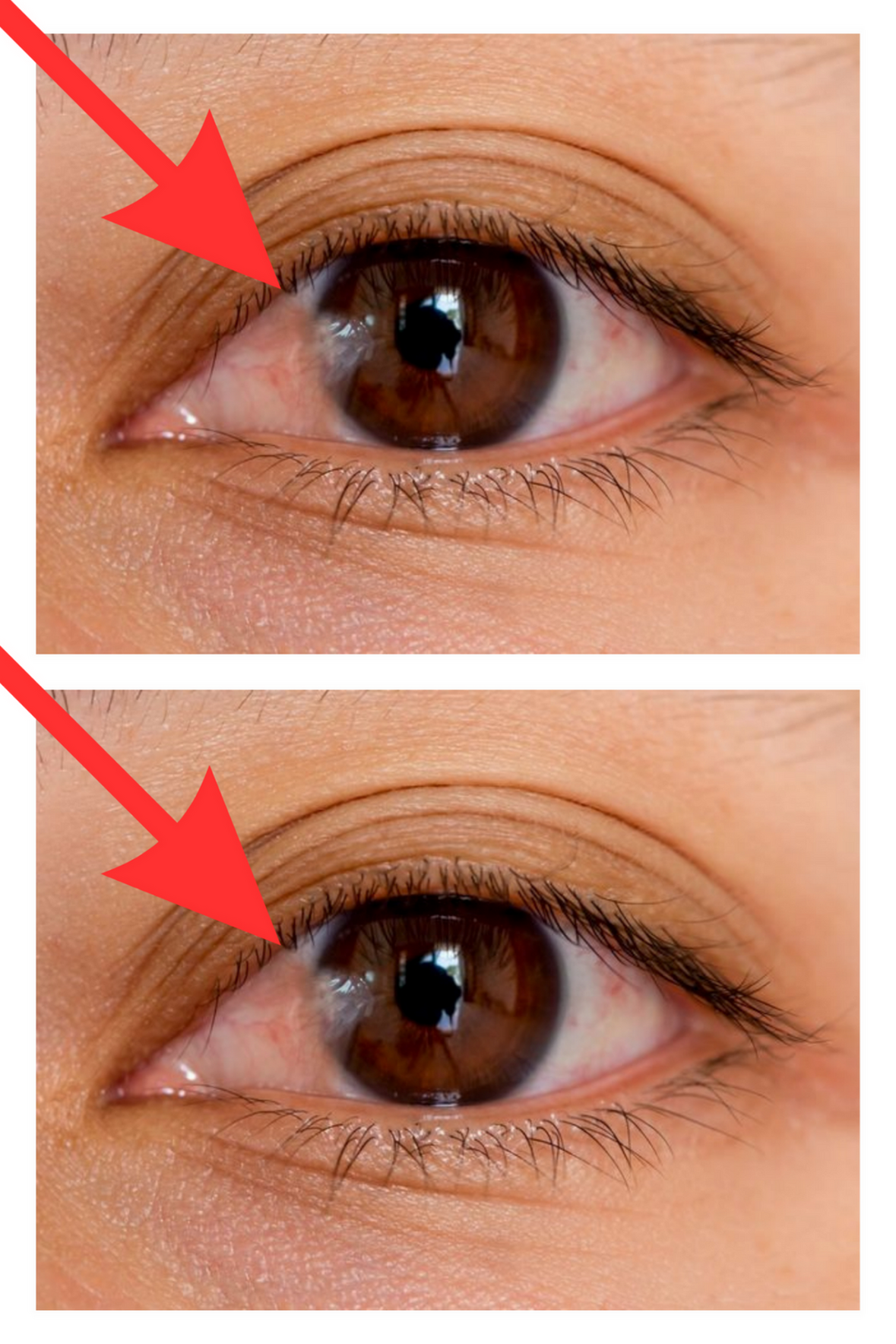
A pterygium (pronounced te-RIJ-ee-um) is a common, non-cancerous growth of fleshy tissue that develops on the white part of the eye (the conjunctiva). It usually starts near the inner corner of the eye, closest to the nose, and may gradually extend onto the clear front surface of the eye called the cornea.
Although a pterygium is often referred to as « surfer’s eye, » it can affect anyone who spends significant time outdoors. In many cases, it remains small and causes few symptoms. However, if it continues to grow, it may interfere with vision and require medical treatment.
Symptoms of Pterygium
The symptoms vary depending on the size of the growth.
Early Symptoms
Many people have no symptoms at first. As the pterygium enlarges, they may notice:
Redness in the affected eye
Eye irritation
Burning or stinging sensation
Dry eye symptoms
Feeling like something is stuck in the eye
Mild itching
Increased tearing
Advanced Symptoms
As the growth extends toward the center of the cornea, symptoms may become more significant:
Blurred vision
Distorted vision due to changes in the shape of the cornea (astigmatism)
Difficulty wearing contact lenses
Cosmetic concerns because of the visible growth
Vision loss if the pterygium covers the pupil
What Causes a Pterygium?
Doctors believe that pterygium develops due to long-term irritation of the eye rather than infection.
Several factors increase the risk.
1. Ultraviolet (UV) Light Exposure
The strongest risk factor is prolonged exposure to ultraviolet (UV) rays from sunlight.
People at higher risk include:
Farmers
Fishermen
Construction workers
Lifeguards
Sailors
Athletes who spend time outdoors
Living near the equator or in sunny climates further increases the risk.
2. Wind and Dust
Wind, sand, and airborne dust constantly irritate the eye’s surface.
This repeated irritation may trigger abnormal tissue growth.
3. Dry Eye
People with chronic dry eyes are more likely to develop inflammation that contributes to pterygium formation.
4. Environmental Irritants
Long-term exposure to:
Smoke
Air pollution
Chemicals
Dry climates
may increase the risk.
5. Age
Pterygium most commonly develops between the ages of 30 and 60, although younger adults with heavy sun exposure can also be affected.
6. Genetics
A family history may increase susceptibility, although environmental exposure remains the major factor.
Risk Factors
You are more likely to develop a pterygium if you:
Spend several hours outdoors every day
Live in tropical or subtropical regions
Work in dusty environments
Have chronic dry eyes
Do not wear UV-protective sunglasses
Are frequently exposed to wind
Is Pterygium Dangerous?
Most cases are harmless.
However, complications can occur if the growth becomes large.
Possible complications include:
Chronic irritation
Corneal scarring
Astigmatism
Blurred vision
Reduced vision if the growth reaches the center of the cornea
Although it looks concerning, a pterygium is not cancer.
How Doctors Diagnose Pterygium
Diagnosis is usually straightforward during a routine eye examination.
An ophthalmologist may use:
Visual inspection
Slit-lamp examination
Corneal topography (to detect astigmatism)
Visual acuity testing
Eye photographs to monitor growth over time
Additional testing is rarely necessary.
Treatment Options
Treatment depends on the severity of symptoms.
Mild Cases
If symptoms are minimal, treatment may include:
Artificial Tears
Lubricating eye drops reduce:
Dryness
Burning
Irritation
They can be used several times daily.
Lubricating Eye Ointments
These are especially helpful before bedtime for severe dryness.
Moderate Inflammation
If inflammation becomes significant, an eye doctor may prescribe:
Mild steroid eye drops (for short-term use)
Prescription anti-inflammatory eye drops
Steroid drops should only be used under medical supervision because prolonged use can increase eye pressure and raise the risk of cataracts.
When Is Surgery Needed?
Surgery is recommended when:
Vision becomes affected
The pterygium continues growing toward the pupil
Significant discomfort persists despite treatment
Contact lenses can no longer be worn comfortably
Cosmetic appearance is a major concern
Surgical Procedure
Pterygium surgery is usually performed as an outpatient procedure under local anesthesia.
The surgeon:
Removes the abnormal tissue.
Covers the area with a healthy conjunctival graft, often taken from another part of the same eye.
Secures the graft with tiny stitches or surgical tissue adhesive.
Most patients return home the same day.
Continue reading by clicking the ( NEXT 》 ) button below!