Recovery After Surgery
Recovery generally takes several weeks.
Patients are usually prescribed:
- Antibiotic eye drops
- Steroid eye drops
- Lubricating drops
During recovery, it is important to:
- Avoid rubbing the eye.
- Wear sunglasses outdoors.
- Protect the eye from dust and wind.
- Attend all follow-up appointments.
Can a Pterygium Come Back?
Yes.
Recurrence is one of the biggest challenges after surgery.
Without modern surgical techniques, recurrence rates were high.
Today, using a conjunctival autograft greatly lowers the chance of recurrence, although it can still happen, especially in younger patients and those with continued UV exposure.
Preventing Pterygium
While prevention is not always possible, the following measures can significantly reduce the risk.
Wear UV-Protective Sunglasses
Choose sunglasses that block 99–100% of UVA and UVB rays.
Wraparound styles provide additional protection.
Wear a Wide-Brimmed Hat
A hat reduces direct sunlight reaching the eyes.
Use Artificial Tears
Lubricating drops help protect the eye in dry or windy environments.
Protect Your Eyes at Work
Use protective eyewear in dusty, sandy, or smoky workplaces.
Avoid Excessive Sun Exposure
Whenever possible, limit outdoor activities during peak sunlight hours.
When Should You See an Eye Doctor?
Seek medical evaluation if you experience:
- A new growth on the eye
- Persistent redness
- Ongoing irritation
- Blurred vision
- Increasing size of the growth
- Eye pain
- Difficulty wearing contact lenses
Early evaluation helps prevent complications and allows your eye doctor to monitor changes over time.
Frequently Asked Questions
Can a pterygium disappear on its own?
No. Once a pterygium develops, it does not typically go away without surgery. Mild cases may remain stable for years.
Is pterygium contagious?
No. It cannot be spread from person to person.
Can eye drops cure a pterygium?
No. Eye drops relieve symptoms such as dryness and irritation but do not remove the growth.
Can children develop pterygium?
It is uncommon in children but may occur in those with significant UV exposure.
Is surgery always necessary?
No. Many people never need surgery. Treatment is based on symptoms, growth, and whether vision is affected.
Key Takeaway
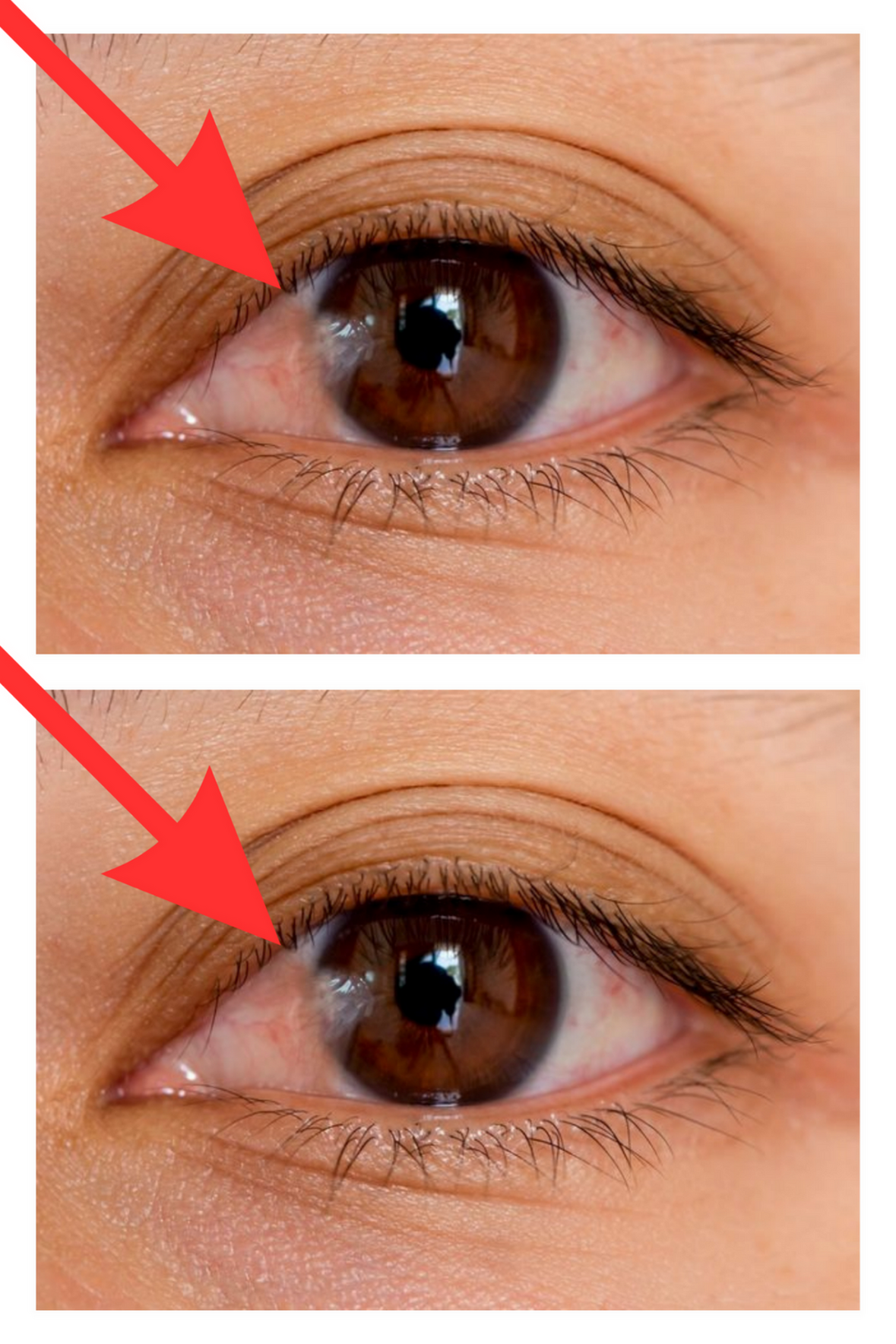
Pterygium is a common, non-cancerous growth on the surface of the eye that is strongly associated with long-term exposure to sunlight, wind, dust, and dry environments. Many cases cause only mild irritation and can be managed with lubricating eye drops and regular monitoring. Surgery is reserved for cases where the growth threatens vision, causes persistent discomfort, or continues to enlarge. Wearing UV-blocking sunglasses, protecting the eyes from environmental irritants, and treating dry eye symptoms are the most effective ways to reduce the risk of developing or worsening a pterygium.