
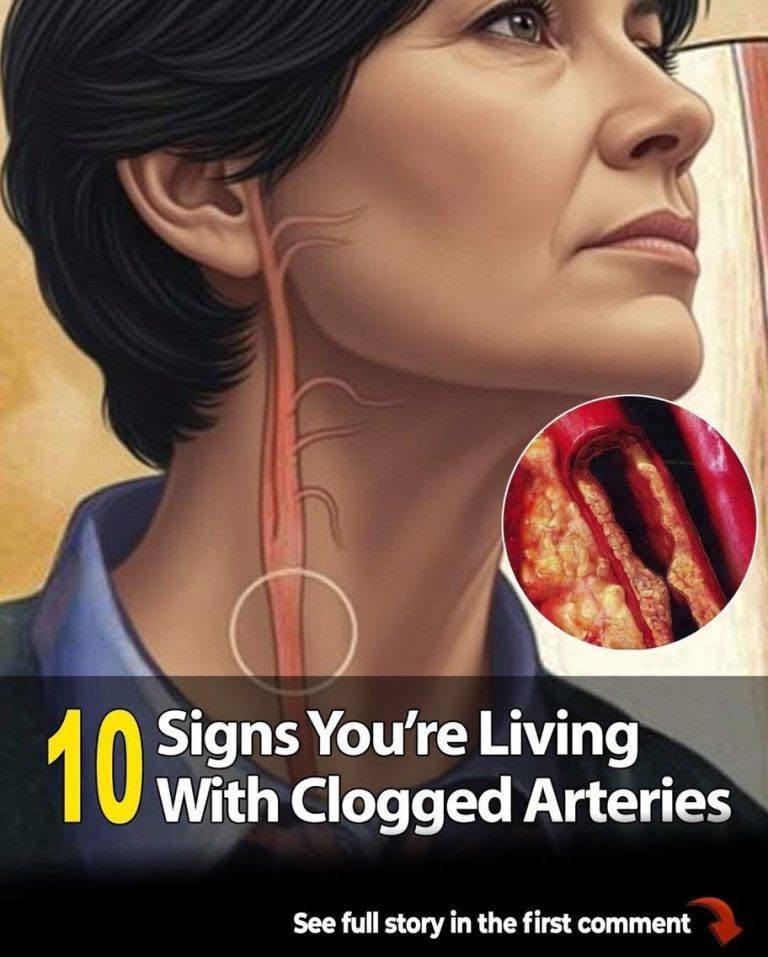
Blocked arteries rarely happen overnight. In most cases, the process develops gradually as cholesterol, fatty deposits, and other substances accumulate inside the walls of blood vessels. This condition, known as atherosclerosis, can restrict blood flow to important organs and tissues. The difficulty is that it may progress for years without producing obvious symptoms, which is one reason cardiovascular disease remains such a serious health concern.
When symptoms eventually appear, they can vary considerably depending on which arteries are affected. A blockage involving the arteries supplying the heart may produce chest discomfort or shortness of breath, while reduced blood flow to the legs can cause pain during walking. Some people may experience relatively subtle changes that are easy to dismiss as normal signs of aging or lack of fitness.
Recognizing potential warning signs does not mean assuming that a blocked artery is the cause. Many of these symptoms can have several possible explanations. However, persistent, recurring, or unexplained symptoms deserve medical attention, particularly in people with risk factors for cardiovascular disease.
1. Chest Pressure or Discomfort
One of the most recognizable warning signs of reduced blood flow to the heart is discomfort in the chest. It may feel like pressure, tightness, squeezing, heaviness, or burning rather than sharp pain. Some people describe it as an uncomfortable sensation that appears during physical activity or emotional stress and improves after resting.
This type of symptom can occur when the heart muscle does not receive enough oxygen-rich blood, a condition commonly associated with coronary artery disease. The sensation may also spread to the shoulder, arm, neck, jaw, or upper back.
Chest discomfort should never be dismissed simply because it is mild. If it is new, severe, persistent, or accompanied by sweating, nausea, shortness of breath, or weakness, urgent medical evaluation is important.
2. Shortness of Breath During Ordinary Activities
Becoming unusually breathless during activities that previously felt easy can sometimes indicate that the cardiovascular system is struggling to meet the body’s demand for oxygen.
When the arteries supplying the heart become significantly narrowed, the heart may have difficulty receiving enough oxygen-rich blood, particularly during exertion. Shortness of breath can also occur when heart function is affected.
At the same time, breathlessness has many other possible causes, including respiratory conditions, anemia, reduced fitness, and other medical problems. That is why a gradual or unexplained change in exercise tolerance should be discussed with a healthcare professional rather than automatically attributed to blocked arteries.
3. Pain or Cramping in the Legs While Walking
Atherosclerosis does not affect only the arteries of the heart. It can also develop in blood vessels supplying the legs.
One classic symptom of peripheral artery disease is pain, aching, cramping, or fatigue in the calf, thigh, or buttock that develops while walking and improves after resting. This pattern occurs because the muscles require more blood during exercise, but narrowed arteries cannot deliver enough oxygen to meet that demand.
Some people gradually reduce their walking because they assume the discomfort is simply part of getting older. However, recurring leg pain that consistently appears with activity and improves with rest deserves medical assessment.
4. Unusual Fatigue
Persistent fatigue can be difficult to interpret because it is one of the most nonspecific symptoms in medicine. Lack of sleep, stress, infections, anemia, medication effects, and numerous other conditions can leave a person feeling exhausted.
Nevertheless, unusual fatigue—particularly when it represents a significant change from a person’s normal level of energy—can sometimes accompany cardiovascular disease.
If ordinary activities suddenly require considerably more effort than they used to, especially when the change occurs alongside breathlessness, chest discomfort, dizziness, or reduced exercise tolerance, it is worth discussing with a doctor.
5. Dizziness or Feeling Lightheaded
The brain depends on a continuous supply of oxygen-rich blood. A temporary drop in blood flow can cause dizziness, lightheadedness, weakness, or a sensation that you might faint.
However, dizziness by itself does not indicate that an artery is blocked. Dehydration, low blood pressure, medication, heart rhythm abnormalities, low blood sugar, and inner-ear disorders are among the many possible causes.
The situation becomes more concerning when dizziness is sudden or occurs together with chest discomfort, severe weakness, difficulty speaking, loss of balance, or other neurological symptoms. Such symptoms require prompt medical attention.
Continued on next page: ✅
10 Early Warning Signs of a Stroke Everyone Should Know to Take Prompt Action

My Son Gave His Umbrella to a Pregnant Stranger in the Rain – The Next Morning, 47 Umbrellas Appeared on Our Lawn, Each With a Numbered Box That Made My Heart Stop

How to use baking soda to remove dark spots, wrinkles and dark circles from your face.
How Many Times Is It Normal to Wake Up at Night to Urinate? Doctors Explain by Age

Taking A Spoonful Of Honey Before Sleeping: How Does It Work?

The Dashboard Button Most Drivers Ignore—And Why It Actually Matters
