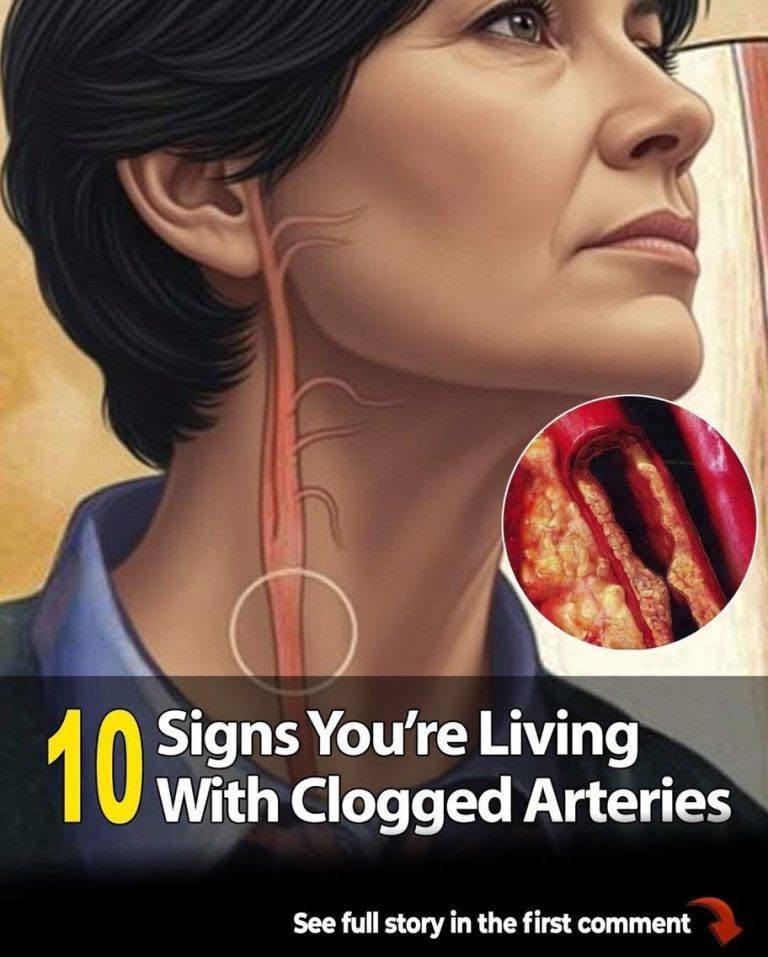
10 Warning Signs of Blocked Arteries You Shouldn’t Ignore

6. Coldness or Numbness in the Feet
Reduced circulation in the legs can sometimes cause the feet to feel unusually cold compared with the rest of the body. Numbness, tingling, weakness, or changes in skin color may also occur when blood flow is significantly impaired.
This is particularly important when the symptoms affect one leg more noticeably than the other or occur alongside persistent leg pain or wounds that heal slowly.
Cold feet alone, however, are not proof of arterial disease. Temperature, environmental exposure, nerve problems, and other circulatory conditions can produce similar sensations.
7. Slow-Healing Wounds on the Legs or Feet
A wound requires adequate blood flow to deliver oxygen and nutrients necessary for healing. When arteries supplying the lower limbs are significantly narrowed, even a relatively small cut or sore may heal more slowly than expected.
Repeated foot wounds, ulcers, or injuries that do not seem to improve should therefore be evaluated, particularly in people who have diabetes or other cardiovascular risk factors.
The combination of poor wound healing and other circulation-related symptoms can be especially important because advanced peripheral artery disease may place tissue at risk.
8. Weakness or Numbness on One Side of the Body
When arteries supplying the brain become narrowed or a blood clot interrupts blood flow, neurological symptoms can occur. Sudden weakness or numbness affecting the face, arm, or leg—especially on one side of the body—is a major warning sign of a possible stroke or transient ischemic attack.
Other warning signs can include difficulty speaking, confusion, sudden vision problems, severe dizziness, or trouble walking.
Unlike some of the other symptoms on this list, these signs should not simply be monitored at home. A suspected stroke is a medical emergency, and treatment is time-sensitive.
9. Changes in Vision
Sudden or temporary loss of vision in one eye can sometimes occur when blood flow to the eye is disrupted. In some cases, this may be associated with a transient ischemic attack or disease affecting the arteries supplying the brain and eye.
People may describe the experience as a curtain or shadow coming across part of their vision, although symptoms can vary.
Because sudden visual changes can have several serious causes, they should receive prompt medical evaluation even if the vision returns to normal after a short period.
10. Erectile Dysfunction in Men
Erectile dysfunction is sometimes discussed separately from cardiovascular health, but the two can be connected.
An erection depends on healthy blood vessels and adequate blood flow. Because the arteries involved are relatively small, problems with circulation may become apparent there before more serious cardiovascular symptoms develop.
Erectile dysfunction does not automatically mean that a man has blocked arteries. Psychological factors, medications, hormonal changes, diabetes, nerve disorders, and other conditions can also contribute. Nevertheless, persistent erectile dysfunction can be a reason to discuss cardiovascular risk with a healthcare professional.
Why These Symptoms Should Not Be Ignored
The most important lesson is that there is no single symptom that can reliably tell you that an artery is blocked. Atherosclerosis can affect different parts of the body, and its symptoms depend on the location and severity of the disease.
Some people have no noticeable symptoms until the disease becomes advanced. Others experience symptoms only when their heart, brain, or muscles require increased blood flow. This is why cardiovascular risk assessment is so important even when a person feels healthy.
Risk factors include high blood pressure, high cholesterol, diabetes, smoking, physical inactivity, obesity, and a family history of cardiovascular disease. Age also influences risk, although cardiovascular disease is not simply a normal or unavoidable consequence of getting older.
Regular medical checkups can help identify problems such as high blood pressure or elevated cholesterol before they produce symptoms. Depending on an individual’s circumstances, a doctor may recommend blood tests, an electrocardiogram, imaging studies, or other evaluations.
When to Seek Emergency Help
Some symptoms require immediate action rather than a routine appointment. New or severe chest pressure, particularly when accompanied by shortness of breath, sweating, nausea, fainting, or pain spreading to the arm, jaw, back, or shoulder, can be a sign of a heart attack.
Similarly, sudden facial drooping, arm weakness, speech difficulty, severe confusion, or sudden vision loss can indicate a stroke.
In these situations, waiting to see whether the symptoms disappear can be dangerous. Emergency medical services should be contacted immediately.
The Bottom Line
Blocked arteries are not always obvious, and symptoms can be surprisingly subtle. Persistent chest discomfort, unexplained breathlessness, activity-related leg pain, changes in circulation, slow-healing wounds, and sudden neurological or visual symptoms can all warrant medical attention, although none of them alone proves that an artery is blocked.
The safest approach is not to diagnose yourself based on a list of symptoms. Instead, pay attention to meaningful changes in your health and seek professional evaluation when something unusual persists, recurs, or appears suddenly.
Healthy arteries depend on more than one habit. Avoiding tobacco, staying physically active, maintaining a balanced diet, controlling blood pressure and cholesterol, managing diabetes when present, and maintaining a healthy weight can all contribute to cardiovascular health.
Sometimes, the most important warning sign is simply a change that feels different from your normal health. Listening to those changes—and knowing when to seek medical help—can be far more valuable than trying to identify a diagnosis on your own.