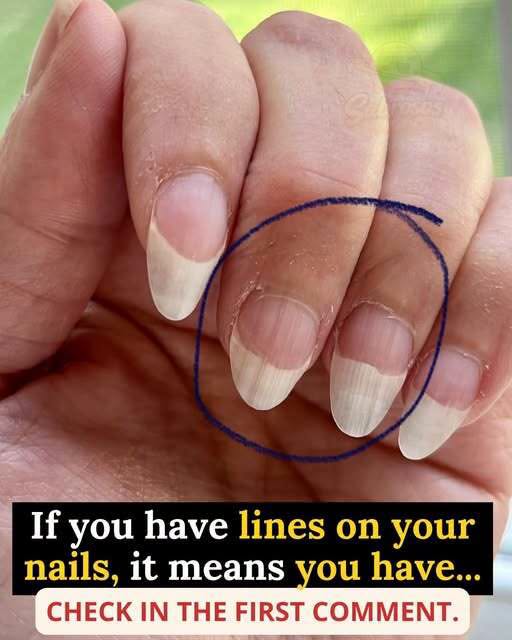
One isolated white dot is different from repeated lines appearing across many nails. Looking at the overall pattern can provide more useful information than focusing only on a single mark.
Consider whether the change affects the fingernails, toenails, or both. Pressure from footwear may explain a toenail mark, while a recent manicure or repeated hand activity may be more relevant to a fingernail.
Notice whether the marks appeared at approximately the same time. Multiple nails changing together may deserve more attention than separate spots that appear after different everyday injuries.
It is also helpful to observe whether new marks continue forming. Repeated appearance may suggest ongoing friction, harsh nail care, chemical exposure, or another issue that has not been resolved.
Tracking the marks over time can make the pattern clearer. Their movement, size, number, and connection with other symptoms can help determine whether they are growing out normally.
Medical Evaluation Is a Reasonable Form of Care
Seeking medical advice for persistent nail changes is not an overreaction. Nails can reflect local damage, but they can also be affected by conditions that are difficult to identify without an examination.
A professional evaluation is especially appropriate when several nails are involved, the marks remain for months, or the nails become painful, red, thickened, or deformed.
Medical attention may also be useful when the person cannot identify any possible source of repeated injury. An examination can help clarify whether the change is connected to infection, skin disease, illness, or medical treatment.
The purpose of evaluation is not to create fear. It is to understand why the normal pattern of nail growth or appearance has changed and whether any specific care is needed.
What Your Nails May Be Telling You
Most small white marks do not need to become a source of panic. They are often temporary signs of pressure, friction, cosmetic handling, or minor injuries that were easy to overlook.
When the nail grows normally, the spot moves toward the tip, and no additional symptoms appear, the mark may simply disappear with time and trimming.
Gentle nail care can support this process. Hydration, protection from harsh chemicals, careful manicures, breaks from polish, comfortable footwear, and reduced friction may help prevent future damage.
At the same time, persistent or widespread changes should not be dismissed. White lines that remain for months, affect many nails, or occur with pain, redness, thickening, or deformity deserve professional attention.
The most useful response is neither fear nor indifference. It is careful observation, protection from repeated harm, and a willingness to seek help when the marks do not follow the expected pattern.
Leukonychia is often a reminder that the body records everyday experiences in subtle ways. By watching how the marks change over time, people can separate many harmless nail injuries from changes that may require medical care.