Although an existing white mark may need to grow out naturally, careful nail habits can reduce the chance of new damage. The goal is to protect the nail and the area where new growth begins.
Hydration can be part of a gentle care routine. Keeping the nails and surrounding skin moisturized may reduce dryness and help limit irritation caused by repeated washing or exposure to harsh conditions.
Taking breaks from polish can also give the nails time without repeated cosmetic handling. Frequent application, removal, scraping, or strong products may increase stress on nails that are already sensitive.
Manicures should be handled carefully rather than aggressively. Rough treatment around the base of the nail may cause damage that becomes visible only after the nail has grown.
Protection from harsh chemicals is another practical step. People whose hands are regularly exposed to cleaning products or other irritating substances may benefit from creating a barrier between the nails and those materials.
Reducing repeated friction can also matter. Small changes in work habits, sports routines, footwear, or nail care may help prevent the same kind of marks from returning.
Why the Calcium Deficiency Myth Persists
White nail spots are frequently described as a sign that the body needs more calcium. This belief has been repeated so often that many people accept it immediately when they notice a pale dot.
However, the appearance of leukonychia should not automatically be treated as proof of a calcium problem. Minor injury, pressure, friction, manicures, and tight shoes may provide a more direct explanation in many cases.
Assuming that every mark has the same cause can lead to unnecessary fear. It may also distract from the actual pattern of the nail change, including whether it moves, fades, spreads, or affects multiple nails.
Observing the nail carefully is more useful than relying on a single familiar myth. The location, duration, number of affected nails, and presence of additional symptoms can all help determine whether the change appears temporary or unusual.
When White Lines Deserve More Attention
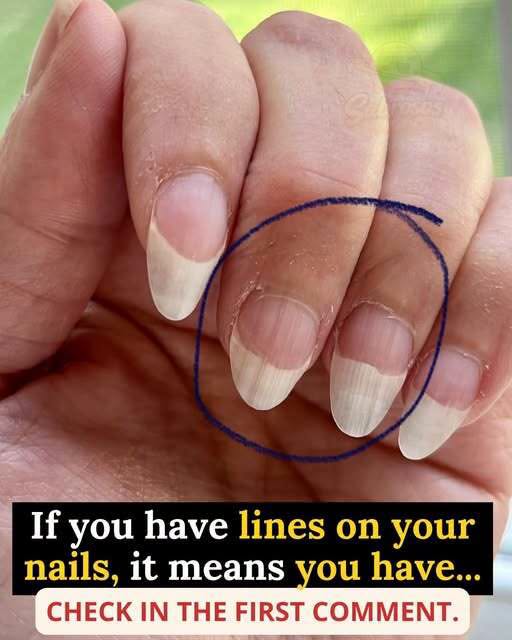
Not every white nail change follows the simple pattern of a small injury. Some marks remain visible for months, affect several nails, or appear as lines rather than isolated dots.
A mark that does not move toward the tip as the nail grows may deserve closer observation. A change that repeatedly returns or remains fixed can differ from the typical behavior of a temporary injury.
White lines involving many nails at the same time may also require medical evaluation. Widespread changes can be more significant than a single small spot on one finger or toe.
The duration matters as well. A mark that gradually grows out may be less concerning than one that persists for months without following normal nail growth.
Changes should not be judged by color alone. Pain, redness, thickening, swelling, tenderness, or visible deformity can provide important additional information.
Other Nail Changes That Should Not Be Ignored
White discoloration accompanied by discomfort is different from a painless spot that slowly moves toward the edge. Pain may indicate that the nail or surrounding tissue needs professional attention.
Redness around the nail can also be important, particularly when it continues or worsens. The same is true when the nail becomes unusually thick or develops a noticeably altered surface.
A change in shape may signal that the issue involves more than a minor old injury. Nails that become distorted, uneven, or visibly damaged should be evaluated when the change does not improve.
Persistent nail changes may be connected with infection, skin disease, illness, or the effects of medical treatment. The visible appearance alone may not reveal the exact explanation.
Because several different causes can create similar-looking marks, self-diagnosis may be unreliable when the pattern is unusual. A medical evaluation can help distinguish a harmless change from one that requires treatment or monitoring.
Pay Attention to the Pattern Across Your Nails
🔥 Continue Reading 👇 Next Page