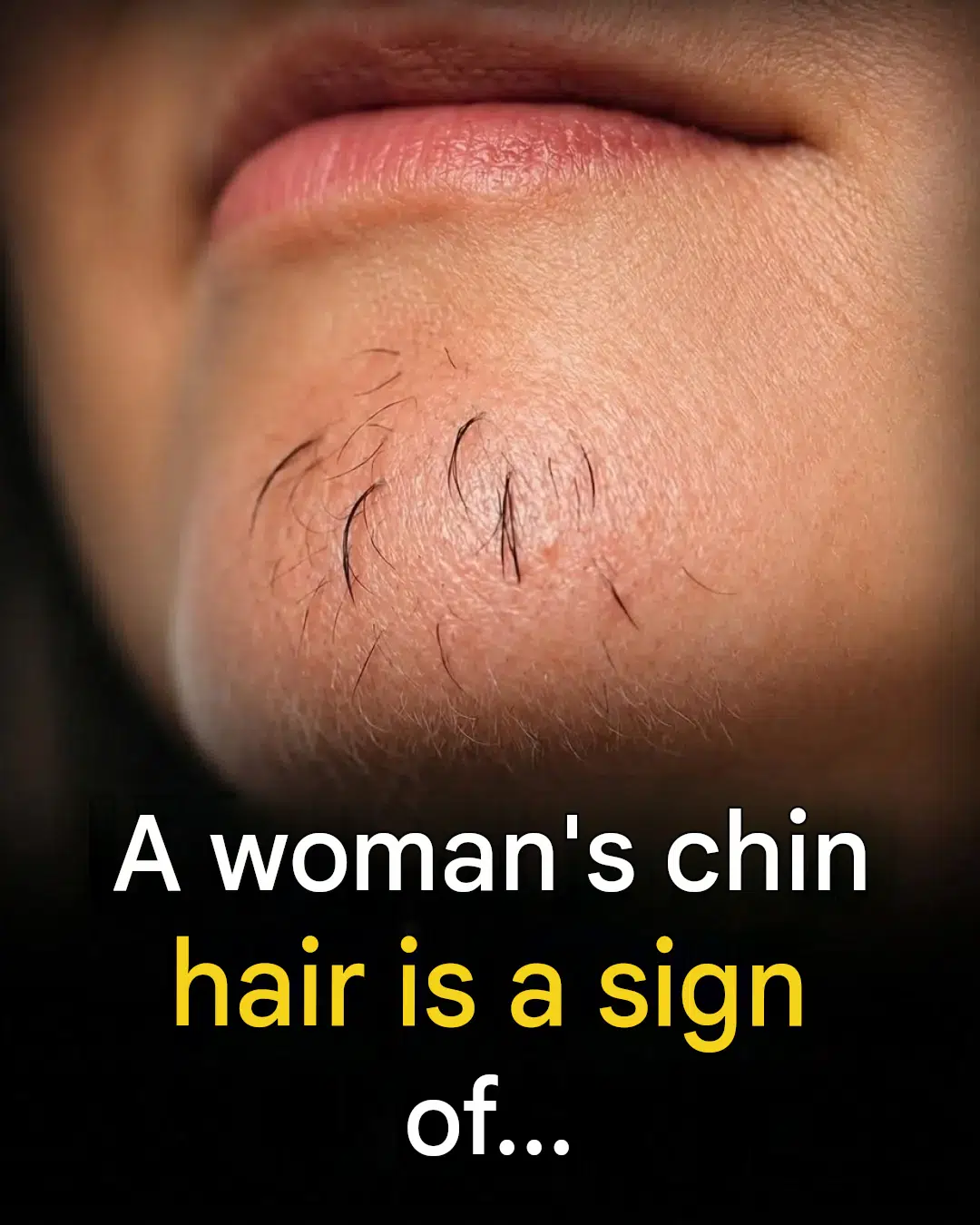
You notice them one morning in front of the mirror, almost by chance. A tiny dark hair, then two, then three. Chin hair is one of those topics that’s rarely discussed—and yet, many women are affected. The good news: in most cases, there’s no reason to worry. But sometimes, these stubborn hairs can be a sign that the body is trying to send a message. Here’s what dermatologists have to say.
Genetics and hormones: the two main culprits
First of all, don’t panic. The presence of hair on the chin is often perfectly normal, and two factors are involved in the majority of cases: genetics and hormones.
Every woman has facial hair follicles. In some women, these follicles are simply more sensitive to androgens—male hormones naturally present in small amounts in the female body. The result? Darker, more visible hairs may appear on the chin. If your mother or grandmother experienced this, there’s a good chance you will too. It’s hereditary, and it’s perfectly normal.
The role of major life stages
Hormones fluctuate throughout life, and it’s often during these key moments that chin hair becomes more noticeable. Puberty, pregnancy, perimenopause, menopause… these are all stages where hormonal balance changes profoundly.
In particular, when estrogen levels decline—as happens near menopause—androgens become proportionally more prevalent. And hair follicles react to this change. This isn’t an abnormality; it’s simply the natural course of female biology.

You will NEVER need makeup again! My grandmother mixes 2 ingredients and has glass-like skin with no wrinkles… To keep receiving my recipes, you just need to say something… Thank you! Recipe in the first comment

If you have a heart attack at home, do this in 10 seconds and you can save your life.(1 / 2)If you have a heart attack at home, do this in 10 seconds and you can save your life.(1 / 2)

A Simple Trick to Clean Your Oven Door Glass: Sparkling Results Without Harsh Chemicals

Bathing Over 65: Why Less Is More for Healthy Skin

How Long Does a Watermelon Last Once You Have Cut It?