for pest control.
Homemade Rosemary Sprays
DIY rosemary sprays may smell pleasant, but their concentration and duration of protection are unpredictable.
Do not assume they offer the same protection as registered repellents.
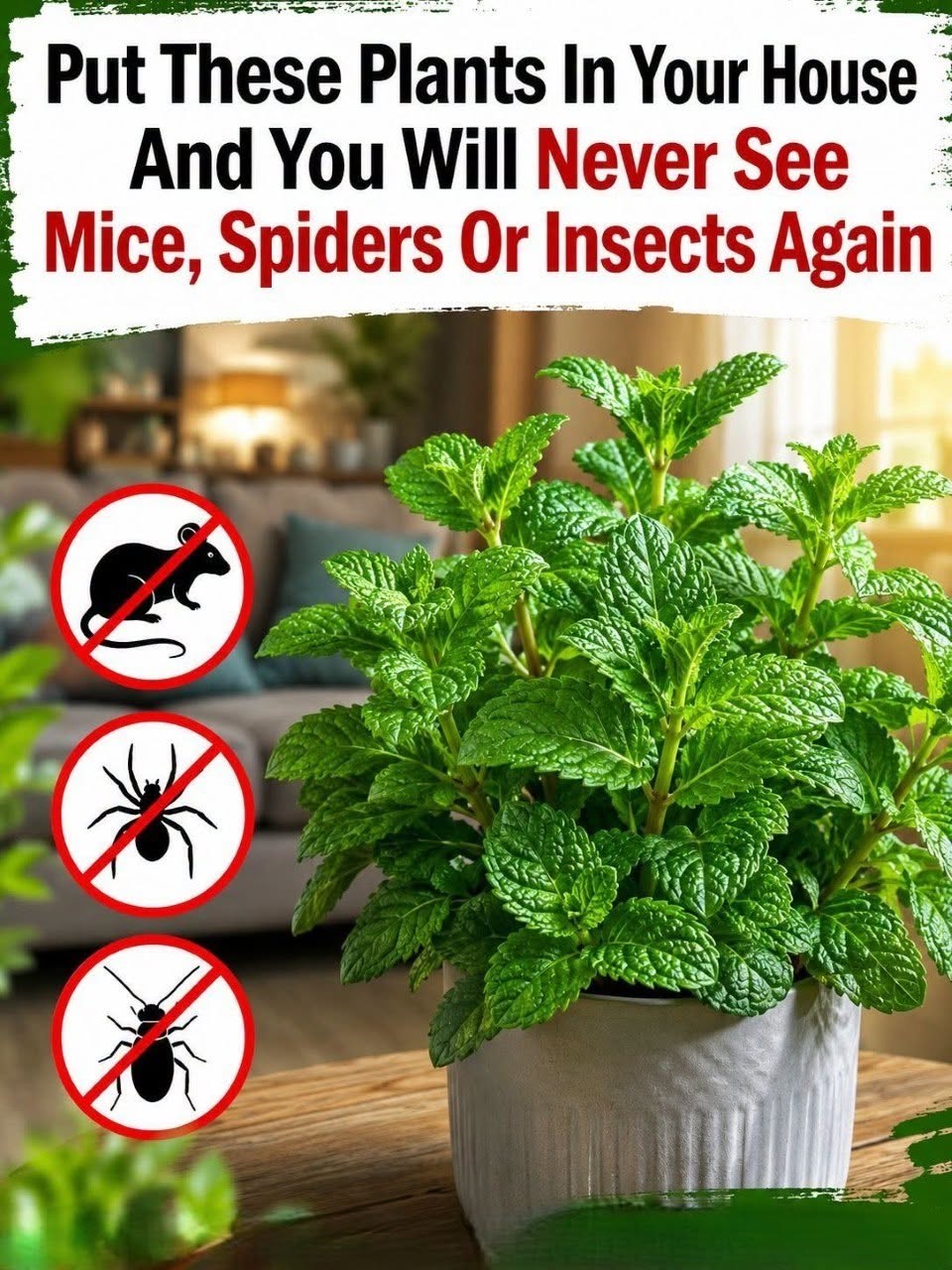
6. Mint
Mint produces a strong cooling aroma associated with compounds such as menthol.
It is frequently recommended for mosquitoes, flies, ants, spiders, and even mice.
Some mint-derived oils show insect-repellent activity, but the effectiveness of simply growing mint varies considerably.
Mint Is Best Grown in Containers
Mint spreads aggressively through underground stems.
Once planted directly in a garden bed, it can become difficult to control.
Growing mint in containers is often the easiest option.
Can Mint Keep Mice Away?
The strong smell of mint may be unpleasant to rodents in some situations, but mice can quickly tolerate odors when attractive food and shelter remain available.
Mint should therefore not be considered a stand-alone rodent-control method.
What Actually
Works Better for Mice?
Focus on:
Sealing openings around pipes and doors
Repairing gaps in walls or foundations
Storing food in secure containers
Cleaning crumbs and spills
Reducing clutter
Using appropriate traps when necessary
Mice can squeeze through surprisingly small openings, so exclusion is extremely important.
Peppermint Oil and Pets
Concentrated peppermint oil is much stronger than a mint plant.
Essential oils can cause problems if ingested, inhaled in high concentrations, or improperly applied around pets.
Do not saturate indoor spaces with essential oils as a substitute for proper pest management.
Two of the most interesting plants on these lists work very differently: one actually traps insects, while the other contains compounds used in some commercial formulations.
How to Build a Pest-Resistant Garden
You can combine aromatic plants with good garden maintenance to create an outdoor environment that is less attractive to certain unwanted pests.
Near a Patio
Consider containers
Continued on the next page. ✅