garden. Basil, rosemary, lavender, lemon thyme, and lemongrass can also grow well in appropriately sized pots.
A Practical 8-Plant Summary
Basil: Aromatic herb with compounds studied for insect-repellent potential.
Lavender: Fragrant flowering plant whose essential oil has been investigated for insect repellency.
Lemon thyme: Releases citrus-like aromatic compounds when leaves are crushed.
Lemongrass: Strongly aromatic grass associated with plant-derived mosquito-repellent compounds.
Rosemary: Culinary herb containing volatile oils that may discourage some insects.
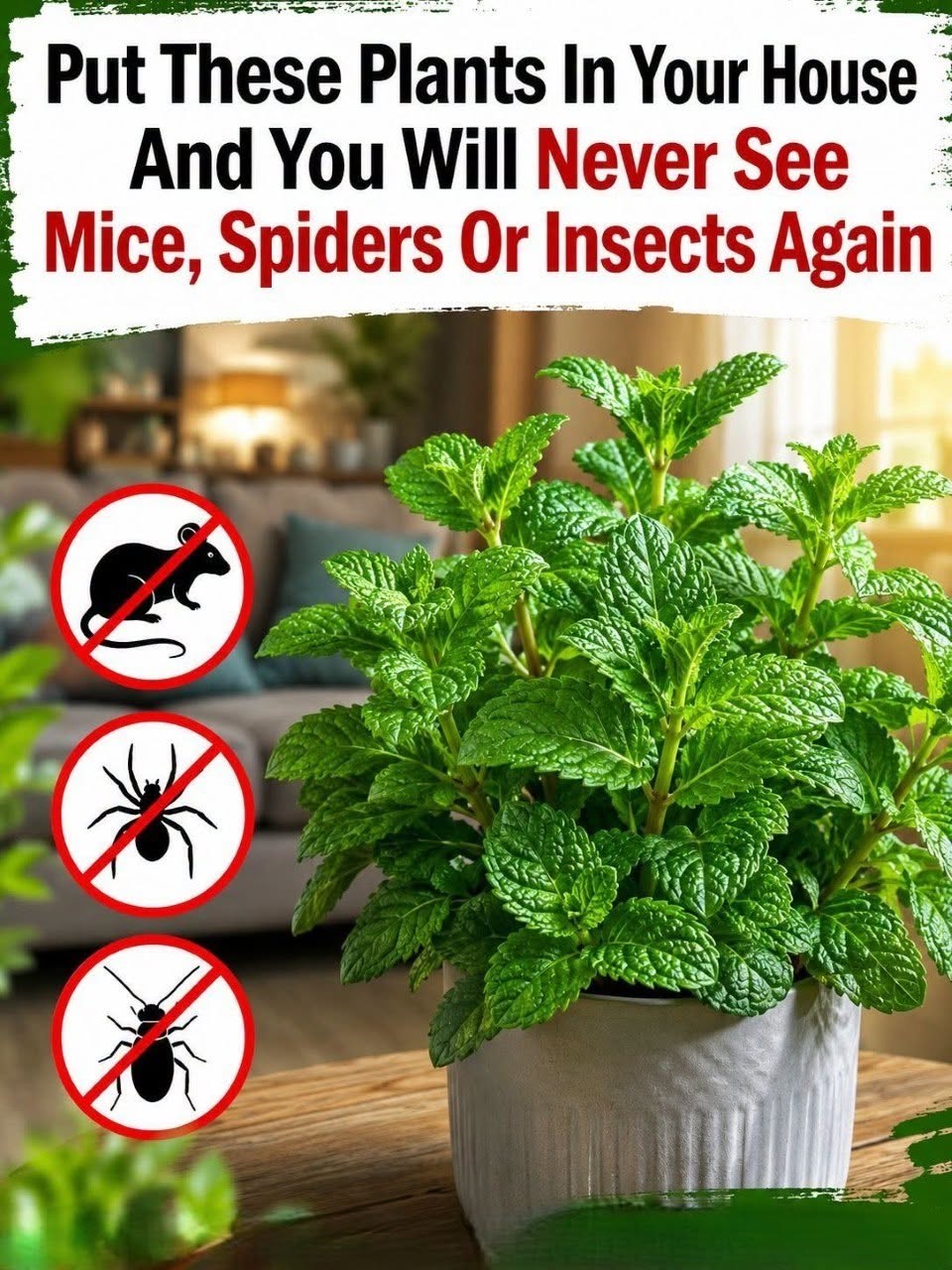
Mint: Highly aromatic and easy to grow, but not a dependable stand-alone mouse or spider solution.
Pitcher plant: Captures some insects instead of repelling them.
Floss flower: Attractive flowering plant containing naturally aromatic compounds, but not a guaranteed mosquito barrier.
The Best Strategy Is Combination Control
Plants can make a garden more attractive and may modestly reduce the activity of certain insects in nearby areas.
But successful pest control usually comes from combining several methods.
For mosquitoes, remove
standing water and use screens and proven repellents when needed.
For mice, eliminate food sources and seal entry points.
For flies, manage waste and food residue.
For spiders, reduce insect prey and seal cracks around the building.
Plants then become a useful supporting measure rather than an unrealistic miracle solution.
Final Thoughts
Basil, lavender, lemon thyme, lemongrass, rosemary, mint, pitcher plants, and floss flowers are all interesting additions to a garden.
Several contain aromatic compounds that have demonstrated insect-related effects in laboratory or formulated-product settings, while pitcher plants physically capture some insects.
However, the presence of these plants alone will not reliably eliminate mosquitoes, mice, spiders, flies, ants, or other pests.
Claims that they can replace all conventional pest-control methods are exaggerated.
Likewise, the idea that properly used conventional insect repellents are inherently more dangerous simply because they are synthetic is misleading. What matters is evidence, correct concentration, appropriate use,
Continued on the next page. ✅